I have spent 11 years in the trenches of operations and marketing for the home services industry, specifically within the high-stakes world of roofing and restoration. If there is one thing I’ve learned after a decade of storm seasons, it’s this: speed without accuracy is just another form of failure.
In the modern roofing landscape, extreme weather is no longer an "occasional disruption." It is our standard operating environment. When a major hail event hits, your internal clock shouldn't be set to "soon"—it should be set to 15-minute dispatch blocks. If you aren't thinking in terms of inventory lead times and precise documentation, you are already behind.
Let’s cut through the noise. How are drones actually changing the game, and why should you care about the paperwork trail they leave behind?
The Operational Reality: Why We Can’t Rely on Ladders Alone
According to the U.S. Bureau of Labor Statistics (BLS), the skilled trades have faced persistent labor shortages for years. When you have a massive hail event, you don’t have the luxury of sending a three-man crew to manually inspect every single home in a neighborhood. You have a massive demand surge, a compressed seasonal window, and homeowners who are, rightfully, panicking about their biggest asset.
I remember standing on a job site years ago, listening to a project manager promise a homeowner we’d be there "sometime next week." That’s a cardinal sin. If you don't know who owns the next step in the process—the inspection, the report, the insurance submission—you’ve already lost the customer’s trust. Who owns the next step? If the answer isn't a specific person or a specific automated workflow, your operation is leaking revenue.
The Tech Stack: Drone Imaging vs. Satellite-Based Roof Measurements
To scale, we’ve pivoted heavily toward two primary technologies. It’s not about choosing one; it’s about knowing which 15-minute block of the inspection process each belongs to.
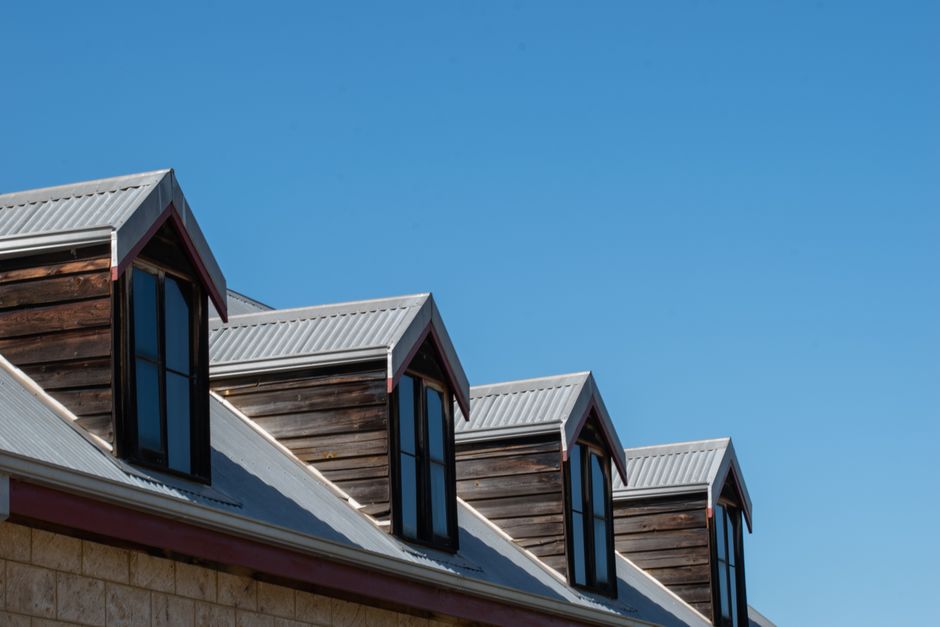
- Satellite-Based Roof Measurements: These are great for initial estimates. They provide a baseline for pitch, surface area, and waste factors. I use these for rapid-fire quoting before we even set foot on the property. Drone Imaging: This is where the magic happens for damage verification. A drone doesn't just measure; it provides high-definition photographic proof of bruising, missing granules, and flashing failures.
As noted in recent reports by B2B News Network (B2BNN), the move toward digital-first inspections is separating the professional restoration companies from the "storm chasers." The chasers are still pulling out ladders; the pros are pulling out flight logs.
Improving Roof Inspection Accuracy and Insurance Documentation
Here is where I get annoyed: contractors who treat documentation as an afterthought. You can’t walk into an insurance carrier’s office with a grainy photo from a smartphone and expect a smooth claim process. Insurance adjusters are just as overwhelmed as we are. If you provide them with precise, clear, and comprehensive drone imaging, you are doing their job for them.
Documentation is the currency of a successful claim. When you use drone technology, you aren't just taking "pretty pictures." You are capturing geolocated, high-resolution evidence that correlates directly with the policyholder’s claim of storm-related damage. Exactly.. This level of roof inspection accuracy removes the "he said, she said" debate from the table.
Comparison: The Inspection Method Breakdown
Method Best For Insurance Reliability Time Investment Manual Ladder Physical verification/hand-tests High (Personal touch) 45-60 minutes Drone Imaging Evidence collection/safety Very High (Data-rich) 15-20 minutes Satellite Measurement Estimating/Takeoffs Moderate (Baseline) 5-10 minutesDoes Tech Actually Help the Insurance Claim?
The short answer is yes. The long answer is: only if you understand how to translate b2bnn.com that data into an insurance language. At Fireman’s Roofing (McKinney, TX), we realized early on that the transition to drone-assisted inspections changed our approval rates.

When an adjuster receives a digital packet that includes an aerial overview, close-up drone imagery of specific damage vectors, and a detailed measurement report, the claim lifecycle accelerates. You aren't waiting for a "re-inspection" because the first one was vague. You’ve already documented the hail hits, the gutter damage, and the ventilation issues. You’ve eliminated the gaps where doubt usually creeps in.
Pro-tip: When a homeowner asks, "Will the insurance believe this?", you answer with confidence: "This is industry-standard documentation that leaves no room for guessing."
Customer Expectations: Speed Plus Trust Signals
My list of customer questions after a hailstorm is a mile long. It usually looks like this:
"How long until the water stops?" "Will my roof be covered?" "Are you going to mess up my landscaping?" "Why is your estimate different from the one I got last year?"Drone imaging addresses the "trust" signal better than anything else. When you sit down with a homeowner and show them a 4K view of their own roof, you are bringing them into the process. You are no longer the "mysterious guy on the ladder." You are the consultant who brought them a report.
Transparency is the antidote to the "vague promise." If you tell a customer, "We have a 2-day lead time on material acquisition and a 15-minute window for our drone pilot to capture your aerial data," you have moved from "roofer" to "logistics partner."
Final Thoughts: Who Owns the Next Step?
If you are a contractor still relying on the "we’ll get to it when we get to it" model, you need to wake up. The market has shifted. Storm-prone markets in North America demand precision. If your inspection documentation doesn’t stand up to scrutiny, the insurance adjuster will push back, the claim will stall, and the homeowner will be the one suffering.
Whether it’s leveraging the high-resolution power of drone imaging for claim documentation or using satellite tools for rapid takeoffs, the goal is always the same: Clarity.
Stop apologizing for delays and start optimizing your time blocks. Get your team trained on flight operations, document the damage like a forensic investigator, and—above all else—always ensure someone, somewhere, actually owns the next step. If you aren't managing the process, the storm will manage it for you, and that is a failure in both operations and marketing.
Think about it: need a hand standardizing your inspection workflow? keep your documentation tight, keep your flight logs recorded, and remember: the best roofers don't just fix homes—they manage expectations through data.